

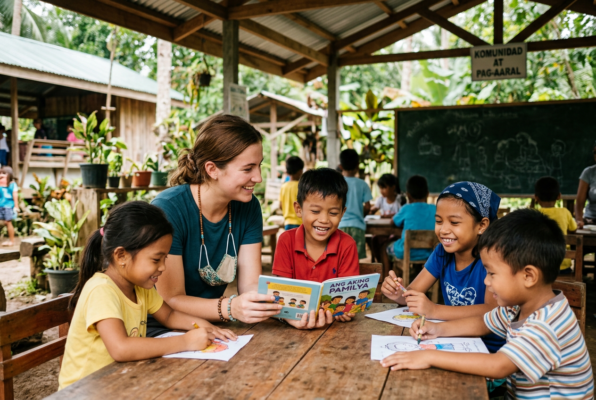
Child poverty represents one of the world’s most persistent challenges, affecting millions of young lives across generations and creating cycles that seem impossible to break without sustained, strategic intervention. Quick fixes and emergency aid address immediate suffering but rarely create the lasting transformation that lifts families and communities out of poverty permanently. The Vision Help International Care Foundation approaches child poverty in the Philippines through comprehensive, long-term strategies that address root causes rather than symptoms—investing in education from early childhood through vocational training, ensuring consistent healthcare and nutrition, protecting children from exploitation and trafficking, strengthening family economic capacity, and building community infrastructure that supports sustained development. By understanding these sustainable approaches, donors, volunteers, and advocates can direct their resources toward interventions that create genuine, lasting change.
Understanding Long-Term vs. Short-Term Approaches
The distinction between emergency relief and sustainable development shapes how effectively we address child poverty. Emergency aid saves lives during crises—providing food during famine, shelter after disasters, and medical care during disease outbreaks. However, without follow-up investments in long-term solutions, communities return to vulnerability once emergency support ends. Sustainable approaches address underlying causes—lack of education, inadequate healthcare systems, limited economic opportunities, and weak infrastructure. Understanding why children are poor in the Philippines reveals systemic issues that demand comprehensive, long-term solutions rather than temporary fixes.
1. Comprehensive Educational Support From Early Childhood
Education represents the most powerful tool for breaking poverty cycles. However, effective educational support extends far beyond simply paying school fees. It begins with early childhood development programs, continues through primary and secondary education with tutoring support, and extends into vocational training that equips young adults for meaningful employment.
Quality educational support also addresses barriers preventing children from attending school regularly—providing uniforms, supplies, and nutrition programs that ensure children arrive ready to learn. When considering where to donate for education in the Philippines, look for organizations delivering this comprehensive approach. The Vision Help International Care Foundation operates schools and learning centers that recognize educational success requires addressing the whole child and removing obstacles preventing consistent attendance.
2. Consistent Healthcare and Nutrition Programs
Malnutrition and untreated illness sabotage every other intervention. Hungry children can’t concentrate in school. Children suffering from preventable diseases miss educational opportunities and fall behind developmentally. Long-term health support includes regular checkups, vaccinations, treatment for conditions, nutrition programs, and health education for families.
Effective programs don’t just treat symptoms but improve overall community health through clean water access, sanitation improvements, and preventive care. When considering how nutrition programs help children in the Philippines, the focus should be on sustained feeding programs combined with family education about nutrition.
3. Protection From Exploitation and Trafficking
Child poverty creates vulnerability to exploitation. Desperate families may send children to work in dangerous conditions or accept traffickers’ false promises. Long-term protection requires multiple intervention layers. Prevention programs educate families and communities about trafficking tactics and children’s rights. Rescue operations remove children from exploitative situations. Aftercare provides trauma counseling, safe housing, and reintegration support.
The Vision Help International Care Foundation maintains a residential care center providing safe environments for rescued children while working toward family reunification when appropriate. Understanding how children are protected from trafficking in the Philippines requires recognizing the comprehensive approach needed.
4. Family Economic Strengthening
Supporting children long-term requires strengthening their families’ economic capacity. Microfinance programs provide small loans, enabling parents to start businesses. Vocational training equips adults with marketable skills. Savings groups help families build financial resilience. Agricultural development improves farming productivity.
These economic interventions recognize that families want to care for their children but lack resources. Rather than creating dependency, economic strengthening programs build family capacity for self-sufficiency. This addresses causes of child poverty in the Philippines by tackling the economic factors forcing families into desperate situations.
5. Educational Scholarships and Sponsorship Programs
While general educational support matters, targeted scholarships enable particularly motivated students to access opportunities they couldn’t otherwise afford. Christian child sponsorship and secular sponsorship programs provide sustained support that follows individual children through their educational journey.
Effective sponsorship goes beyond financial support to include mentoring, encouragement, and accountability. These relationships demonstrate to children that others believe in their potential, providing motivation during difficult times.
6. Mental Health and Psychosocial Support
Poverty creates chronic stress affecting children’s emotional and psychological development. Trauma from violence, neglect, or exploitation compounds these challenges. Long-term support must address mental health through counseling services, trauma-informed care, peer support groups, and creating stable, nurturing environments.
Many children experiencing poverty have never known consistent safety. Creating foundational relationships takes time but proves essential for healthy development. Organizations addressing the effects of poverty on children must integrate mental health support into all programs.
7. Life Skills and Leadership Development
Escaping poverty requires more than academic knowledge—it demands practical life skills, critical thinking, and leadership capacity. Programs teaching financial literacy, decision-making, conflict resolution, and vocational skills prepare young people to navigate adult responsibilities successfully.
Youth leadership development empowers young people who’ve experienced poverty to become advocates in their own communities. Exploring child labor issues reveals why equipping children with education and skills rather than forcing them into work creates sustainable pathways out of poverty.
8. Legal Protection and Rights Advocacy
Children in poverty often lack access to legal systems that could protect their rights. Birth registration, legal identity, protection from abuse, and access to justice require advocacy and support. Organizations working long-term establish relationships with legal professionals, navigate bureaucratic systems on behalf of families, and advocate for policy changes.
Understanding what child trafficking is and recognizing other forms of exploitation reveals why legal protection proves essential.
9. Faith-Based Spiritual Support
For many families experiencing poverty, faith provides resilience, hope, and community that sustain them through hardship. Christian charity in the Philippines and other faith-based approaches integrate spiritual support with practical assistance, recognizing that human flourishing encompasses more than material well-being.
The Vision Help International Care Foundation provides Bible teaching and church community alongside their educational, health, and protection programs. This holistic approach addresses the whole person rather than treating material poverty in isolation.
Supporting children in poverty effectively requires patience, sustained commitment, and comprehensive approaches addressing root causes. When donors and organizations embrace long-term strategies like those employed by The Vision Help International Care Foundation, they create transformation extending across generations. Children receiving this comprehensive support don’t just survive poverty—they overcome it, often returning to lift others and breaking cycles that have persisted for generations. Through strategic donations for children, committed individuals can participate in this transformative work.