

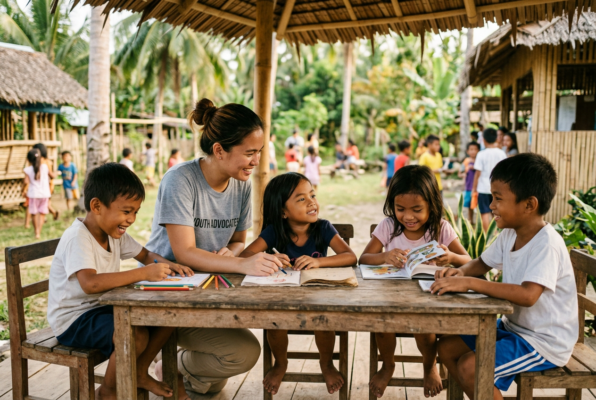
The desire to make a difference in children’s lives often leads well-meaning individuals to pursue volunteer opportunities abroad, yet without proper preparation and ethical frameworks, even the best intentions can inadvertently cause harm. Short-term volunteers sometimes disrupt established programs, create attachment issues for vulnerable children, or take positions that could employ local staff. The Vision Help International Care Foundation addresses these concerns by offering structured volunteer placement in the Philippines with comprehensive orientation, minimum time commitments, and supervision that ensures volunteers genuinely contribute to long-term community development. Through careful screening and integration into existing programs, responsible volunteer work becomes a partnership that benefits both volunteers and the communities they serve.
Understanding Ethical Volunteering for Children
Volunteering with children requires a fundamentally different approach than other forms of service work. Children form attachments quickly, and the revolving door of short-term volunteers can create emotional harm that outweighs any temporary benefits. Research increasingly shows that brief volunteer stints may satisfy volunteers’ desire to help while potentially damaging the very children they aim to serve.
Responsible organizations structure their programs accordingly. They require substantial time commitments—typically three months minimum—to allow meaningful relationships to form. They conduct thorough background checks and provide comprehensive orientation about local culture and child protection policies.
The distinction between ethical and problematic volunteering often comes down to motivation. Are you seeking an experience for yourself, or are you prepared to serve the actual needs identified by the community?
What qualifications do I need to volunteer with children in the Philippines?
Most reputable programs require volunteers to be at least 18 years old with good moral character and patience. The Vision Help International Care Foundation willingness to contribute to board and lodging. They emphasize team compatibility and genuine commitment to serve.
Preparing for Your Volunteer Service in the Philippines
Cultural preparation matters equally. The Philippines has distinct cultural norms around respect, family, and communication. Learning basic Tagalog phrases demonstrates respect and facilitates connection, even in areas where English is widely spoken.
Mental and emotional preparation proves crucial. Volunteering at orphanages in the Philippines exposes you to difficult realities—poverty, malnutrition, stories of abuse. Processing these experiences requires emotional resilience and healthy coping mechanisms.
Common Pitfalls to Avoid in Volunteer Aid Projects in the Philippines
The savior complex represents perhaps the most pervasive pitfall. Arriving with assumptions that you have all the answers undermines local expertise and perpetuates harmful power dynamics. Your role is to support and learn, not to rescue.
Short-term thinking creates another significant problem. Programs need consistency and follow-through. Starting projects you can’t finish leaves communities worse off. This is why organizations focused on help for children in the Philippines require longer commitments and integrate volunteers into existing programs.
Taking jobs that locals could fill represents both an economic and ethical issue. When volunteers fill positions that could employ community members, they inadvertently harm the local economy. Responsible programs use international volunteers to supplement local staff rather than replacing paid positions.
What Responsible Volunteering Abroad in the Philippines Looks Like
Ethical volunteer programs maintain clear child protection policies, conduct thorough screening including background checks, and provide comprehensive training. They require significant time commitments and actively discourage brief volunteering that prioritizes volunteer experience over community benefit.
These programs integrate volunteers into structures led by local staff. Rather than having volunteers run programs, they support Filipino professionals who understand the cultural context. This approach builds local capacity and ensures sustainability.
Key Questions to Ask Before Committing
Before signing up for any volunteer program in the Philippines, ask these critical questions:
- What is the minimum time commitment, and why?
- What training and orientation do you provide?
- How do you screen and supervise volunteers?
- What are your child protection policies?
- How do you ensure volunteers support rather than replace local staff?
Alternatives to Direct Volunteering
Sometimes the most helpful thing you can do isn’t traveling to volunteer in the Philippines at all. If you lack relevant skills or can’t commit adequate time, consider alternatives that may create greater impact.
Financial support often helps more than short-term volunteer labor. Donations for children enable programs to provide consistent services year-round. Organizations can hire local staff with the money spent hosting international volunteers.
Skill-building represents another valuable contribution. If you have specialized expertise—medical training, educational curriculum development—these skills may genuinely fill gaps. However, even specialized volunteers should approach their work humbly.
Advocacy in your home community can amplify impact beyond direct service. Educating others about poverty’s root causes and supporting policy changes contribute to long-term solutions.
How to Make Your Volunteer Experience in the Philippines Meaningful
Approach volunteering with humility, flexibility, and genuine openness to learning. Recognize that you’ll likely receive more than you give—personal growth, expanded perspective, and more in-depth understanding of global challenges.
Document your experience thoughtfully, respecting the dignity and privacy of people you serve. Avoid sharing images that exploit vulnerability. Instead, highlight resilience and the complex realities of communities addressing child poverty in the Philippines.
Stay connected after your volunteer period ends. Consider how you can continue supporting the organization through regular donations, advocacy, or skilled remote assistance.
Building Sustainable Partnerships Through Community Work for Children in the Philippines
Sustainable volunteer programs focus on building local capacity rather than creating dependency. They invest in training local staff, developing community leadership, and creating systems that function independently of volunteer support.
The most successful mission projects for children in the Philippines combine immediate service with long-term development goals. They address urgent needs while simultaneously working toward systemic change. This dual focus requires patience, cultural sensitivity, and a willingness to work within existing community structures.
The Vision Help International Care Foundation exemplifies the structured, ethical approach that transforms volunteer work into genuine partnership. By requiring substantial commitments, providing thorough training, and integrating volunteers into programs led by Filipino professionals, they ensure international volunteers genuinely support sustainable development. When you help as a volunteer in the Philippines responsibly, you become part of long-term solutions rather than perpetuating cycles of dependency.