

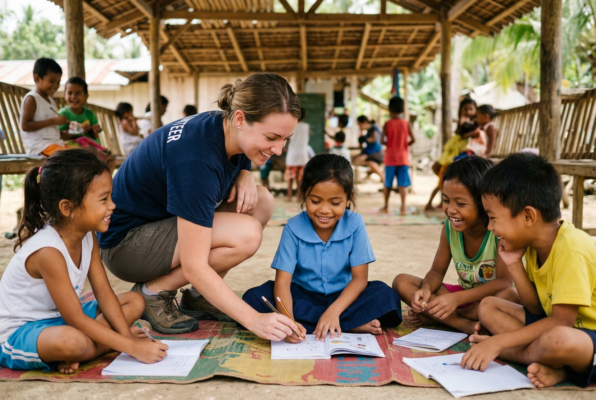
Many well-intentioned aid efforts fail to create lasting change because they’re designed in distant offices without understanding local realities, implemented without community input, or abandoned before results can materialize. The gap between good intentions and genuine impact often comes down to how aid is actually delivered on the ground—whether organizations conduct thorough needs assessments, partner with local leaders, adapt programs based on feedback, and maintain presence long enough to see sustainable change take root. The Vision Help International Care Foundation demonstrates how aid that makes an impact is delivered through their established presence across multiple Philippine communities, partnerships with local government and organizations, community-driven program design, and commitment to measuring outcomes rather than just counting activities.
What Separates Effective Aid from Good Intentions
The world doesn’t lack charitable intentions or generous impulses. What’s often missing is the bridge between the desire to help and actual positive change. This bridge consists of practical methodologies, local knowledge, cultural sensitivity, and a willingness to adapt when approaches aren’t working. Understanding how Christian missions help children and other effective aid models reveals common elements that translate caring into genuine transformation. The question isn’t whether people care but whether caring translates into effective action that respects dignity while addressing genuine needs.
1. Conducting Thorough Needs Assessments Before Launching Programs
Effective aid begins with listening rather than assuming. Organizations must invest time understanding what communities actually need rather than imposing solutions based on external perceptions. Thorough needs assessments involve multiple stakeholders—community members, local leaders, and government officials—and examine root causes rather than just visible symptoms.
This assessment process reveals whether the most pressing need is education, healthcare, economic opportunity, or infrastructure. It identifies existing resources within communities that programs can build upon. When considering help for children in the Philippines, organizations must understand regional variations and cultural contexts rather than applying one-size-fits-all solutions.
The Vision Help International Care Foundation conducts comprehensive assessments before establishing new programs, ensuring their interventions address actual needs identified by communities themselves.
2. Hiring and Training Local Staff Who Understand Cultural Context
The most effective programs employ predominantly local staff who speak community languages, understand cultural norms, and possess credibility with community members. The backbone of effective programming must be local professionals who bring cultural competence that no training can provide to outsiders.
Investing in staff development through ongoing training and fair compensation creates capable teams that deliver quality programs. When evaluating organizations helping in the Philippines, examine whether they prioritize local staff leadership. The Vision Help International Care Foundation employs Filipino professionals who lead program implementation and build relationships with families and children they serve.
3. Designing Programs With Community Input and Ownership
Programs designed in distant offices without community participation rarely address actual needs effectively. Sustainable interventions emerge from collaborative design processes where community members help shape programs and develop ownership that ensures continued engagement.
This participatory approach requires humility—willingness to be wrong, openness to changing plans based on feedback, and patience with processes that may move slower than external funders prefer. Understanding donation effectiveness requires recognizing that programs designed collaboratively generate community investment that sustains initiatives beyond external support.
4. Maintaining Long-Term Presence and Commitment
Impact requires time. Children don’t overcome educational deficits in months. Communities don’t develop economic capacity in a year. Effective aid organizations maintain a presence measured in decades, building trust through sustained commitment.
This long-term presence enables organizations to:
- Adapt programs based on experience and feedback
- Build deep relationships with communities they serve
- Measure actual outcomes rather than just outputs
- Support children through multiple development stages
When considering donations for children in need, supporters should prioritize organizations demonstrating decade-plus commitments. The Vision Help International Care Foundation has operated in the Philippines for over fifteen years, maintaining a consistent presence in their established communities.
5. Measuring Outcomes Rather Than Just Counting Activities
Many aid organizations report activities—meals served, children sponsored, schools built—without demonstrating whether these created desired outcomes. Did children who ate meals improve nutritionally? Did sponsored children complete education? Are schools operating and delivering quality education?
Effective organizations develop clear theories of change explaining how specific activities lead to desired outcomes. They track meaningful indicators—children’s health status, educational achievement, and family economic stability—rather than just counting services. When donors ask, “What does my donation achieve?” they deserve answers demonstrating real transformation, not just activity reports.
6. Adapting Programs Based on Feedback and Results
No program design survives first contact with reality perfectly. Effective organizations build in regular evaluation, welcome feedback from community members and staff, and adapt approaches when evidence shows better alternatives. This adaptive management requires flexibility from both implementing organizations and funders.
The willingness to admit when approaches aren’t working demonstrates genuine commitment to impact. Understanding what happens to my donation includes knowing how organizations respond when programs need adjustment. Organizations should provide honest answers, including discussion of challenges and program evolution.
7. Building Toward Community Self-Sufficiency
The ultimate measure of aid effectiveness isn’t how many people depend on external support but how many gain the capacity to thrive independently. Effective programs build local systems, train community members, develop local leadership, and gradually reduce dependency on external resources.
This sustainability focus shapes program design from the beginning:
- Strengthening existing structures rather than creating parallel systems
- Training local professionals rather than importing experts
- Building toward transition where communities assume responsibility
- Measuring success by community capacity rather than dependency
Organizations delivering help through donations effectively recognize their goal should be working themselves out of a job. The Vision Help International Care Foundation demonstrates this commitment through investing heavily in local staff development and partnering with government systems.
Understanding how effective aid operates helps donors donate money for children strategically through organizations combining compassion with competence and sustained commitment with adaptive management. When aid is delivered effectively, it transforms lives in ways that honor dignity while creating lasting change. Through strategic donations, committed individuals can participate in this transformative work.