

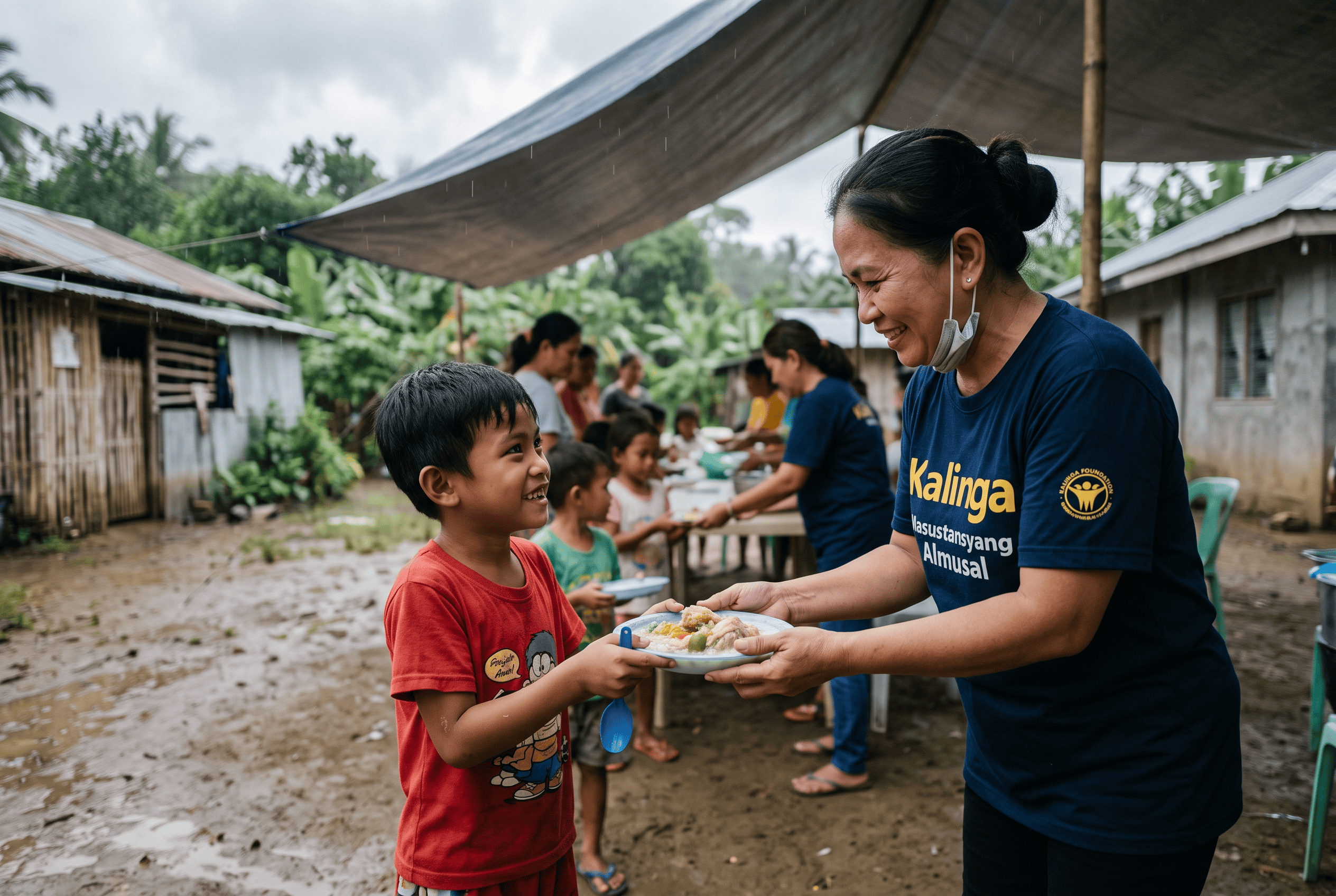
Malnutrition remains one of the most serious and persistent challenges facing children in the Philippines today. It affects not just physical growth but also cognitive development, school performance, and long-term health outcomes in ways that can follow a child well into adulthood. Understanding how nutrition programs help children in the Philippines recover from these effects is essential for anyone who wants to support meaningful change. The Vision Help International Care Foundation has been running structured nutrition and feeding programs in Manila’s most underserved communities for over 15 years, combining medical oversight, family education, and daily care to give malnourished children a genuine path to recovery.
How Nutrition Programs Help Children in the Philippines Recover: The Science Behind the Work
Malnutrition in early childhood is not simply a matter of being thin or hungry. Severe malnutrition during the first five years of life affects brain development in ways that are difficult to reverse if left untreated too long. Children who experience chronic undernutrition during this window are more likely to struggle in school, more vulnerable to illness, and at greater risk of developmental delays that affect them for life.
In the Philippines, the problem is significant. Despite years of economic growth, the country continues to report some of the highest rates of stunting and wasting among children under five in Southeast Asia. In communities like Tondo in Manila, where poverty in the Philippines is most concentrated, malnutrition is not an exception—it is a common reality that families navigate alongside all their other daily challenges.
Nutrition programs address this by providing structured, medically supervised feeding cycles that deliver consistent meals, monitor children’s weight and development, and educate mothers and caregivers on sustainable feeding practices. The goal is not just to get a child through a crisis but to establish a foundation of physical health that supports everything else—learning, playing, growing, and eventually thriving independently.
How Does VHICF’s Nutrition Program Actually Work?
The Vision Help International Care Foundation runs its Center for Malnourished Children in Balut, Tondo, targeting children between the ages of zero and four. The program operates in six-month recovery cycles, with children attending the center daily from 9 a.m. to 4 p.m. During that time, dedicated staff and responsive mothers provide nutritious meals, monitor health indicators, and offer medical support for children with additional needs. After each cycle, mothers are equipped with the knowledge and skills to maintain their child’s nutritional recovery at home. This approach treats the family as a partner in the child’s recovery rather than a passive recipient of aid.
Effects of Poverty on Children: Why Nutrition Is the First Priority
It is difficult to address almost any aspect of child poverty without first addressing food. A hungry child cannot concentrate in school. A child who is malnourished is more susceptible to illness, which leads to missed schooling, medical costs the family cannot afford, and a cycle that becomes harder to break with each passing month.
The effects of poverty on children are cumulative and interconnected. Malnutrition weakens the immune system, which increases the frequency and severity of illness. Illness reduces school attendance. Reduced school attendance limits future employment options. Limited employment options perpetuate poverty into the next generation. Nutrition programs interrupt this cycle at its earliest and most critical point.
Medical Aid for Children in the Philippines: Nutrition and Healthcare Working Together
Effective nutrition programs don’t operate in isolation. The most successful ones combine feeding with basic medical aid for children in the Philippines, ensuring that underlying health conditions are identified and treated alongside nutritional deficiencies. In communities where families cannot afford routine healthcare, this integrated approach makes a meaningful difference. Children in VHICF’s nutrition program receive regular health monitoring from medical staff, ensuring that complications are caught early and addressed before they become serious.
Child Aid in the Philippines: What Feeding Programs Deliver Beyond Food
The benefits of a well-run feeding program extend well beyond the meals themselves. Children who attend daily programs benefit from structured routines, social interaction with peers, educational activities, and consistent adult attention—all of which support healthy development in ways that complement the physical benefits of improved nutrition.
For mothers and caregivers, participation in a feeding program often provides access to counseling, parenting support, and community connection that reduces isolation and builds practical skills. The social dimension of these programs is frequently underestimated but consistently valued by the families who participate in them.
Child aid in the Philippines that addresses nutrition holistically—combining food, healthcare, family education, and community support—produces outcomes that purely food-focused interventions cannot match. The key is treating malnutrition as a symptom of broader vulnerability rather than a standalone problem with a simple fix.
Key outcomes delivered by well-structured nutrition programs include:
- Measurable improvements in weight, height, and overall physical development within six months
- Reduced frequency of illness and hospitalization among program participants
- Improved school readiness and cognitive development in children who complete recovery cycles
- Stronger maternal knowledge of nutrition, hygiene, and child health practices
- Greater household stability as medical costs decrease and children’s health improves
Donate to Fight Child Poverty: Why Nutrition Programs Deserve Support
For donors looking to donate to fight child poverty in the Philippines, nutrition programs represent one of the highest-impact areas of investment available. The cost per child of a structured six-month feeding cycle is relatively low, and the outcomes are measurable, documented, and lasting. A child who completes a nutrition recovery program enters school healthier, more capable of learning, and better positioned to benefit from every other form of support they receive.
Donations for children in need directed toward nutrition programs fund the daily meals, medical oversight, staff salaries, and educational materials that make recovery possible. Consider what consistent financial support enables:
- Daily nutritious meals for children in active recovery cycles
- Medical monitoring and treatment for children with complications
- Educational materials and structured activities during program hours
- Training and support for mothers and caregivers
- Program administration and staff development that maintains quality over time
Building a Foundation That Lasts
Nutrition is not a glamorous cause. It doesn’t make for dramatic headlines or striking before-and-after photographs in the way that some other forms of aid do. But it is foundational. A child who is healthy and well-nourished can learn, grow, and eventually build a life that poverty no longer defines.
The Vision Help International Care Foundation understands this and has made nutrition one of the cornerstones of its work in Tondo. By combining daily feeding with medical oversight, family education, and community support, VHICF demonstrates that help for children in the Philippines is most powerful when it starts with the most basic human need and builds carefully from there.