

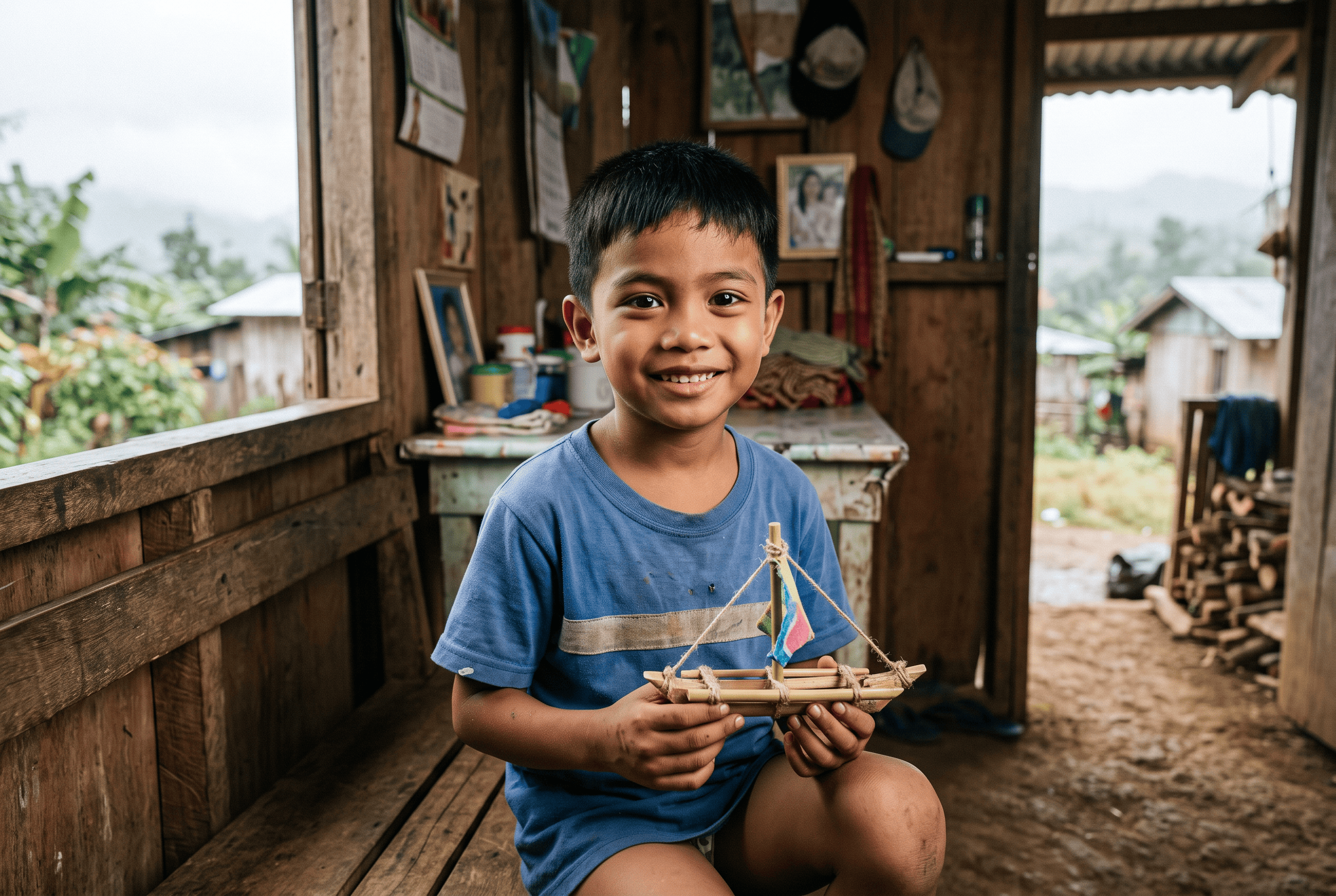
When it comes to supporting children in poverty, many donors immediately think of large, well-known organizations. But bigger doesn’t always mean better — especially when you want your money to reach the children who need it most. Child sponsorship programs vary enormously in structure, cost, transparency, and real-world impact. Understanding those differences helps you make a decision you can feel genuinely good about. The Vision Help International Care Foundation has been working directly with vulnerable children and families in the Philippines for over 15 years, offering a deeply personal and accountable approach to sponsoring a child that larger organizations often can’t match.
What Is World Vision Sponsorship — and How Does It Work?
World Vision is one of the largest Christian humanitarian organizations in the world, operating in nearly 100 countries. Its sponsorship model is community-based, meaning your monthly contribution doesn’t go exclusively to one child but supports an entire program area. The sponsored child serves more as a symbolic connection — you exchange letters and receive updates — while the funds are pooled and distributed across health, education, and livelihood projects in a defined region.
This model has real strengths. It reaches large numbers of people efficiently, and the community-wide approach can create systemic change over time. However, the personal connection between sponsor and child is largely symbolic rather than direct. World Vision experiences shared by long-term donors tend to be positive overall, but a recurring concern is the lack of direct accountability — it can be genuinely difficult to track how a specific donation translates into a specific outcome for a specific child.
Is World Vision the Right Choice for Every Donor?
Not necessarily. World Vision is a solid, reputable organization, but its scale means it operates very differently from smaller, locally embedded nonprofits. If you’re looking for a more personal connection — one where your contribution is traceable and the impact is visible — a focused organization like the Vision Help International Care Foundation in the Philippines may be a better fit. VHICF works directly with children and families in communities like Tondo and Morong, where staff members know the children by name.
Child Sponsorship in the Philippines: What’s Actually Involved
The Philippines presents a unique context for sponsoring a child. Despite being a middle-income country, it has some of the highest rates of child poverty in Southeast Asia. In communities like Smokey Mountain in Tondo, Manila, families face daily choices between a school fee and a meal. Supporting a child in this context means funding programs like:
- Feeding and nutrition initiatives for malnourished children
- Literacy classes and educational support for elementary through college students
- Medical outreaches in underserved slum communities
- Residential care for abandoned or trafficked children
The Real Weight of Child Sponsorship Cost
The child sponsorship cost varies by organization, but what matters more than the monthly amount is how that money is actually used. Smaller, locally operating nonprofits often have significantly lower administrative overhead than global organizations, which means more of your contribution reaches the programs themselves — a key factor for donors who care about donation effectiveness. Before committing to any sponsorship, it’s worth asking what percentage of your monthly contribution actually funds direct programs versus administrative expenses.
What Responsible Organizations Offer Their Sponsors
Look for donation transparency as a baseline. A trustworthy organization publishes annual reports, breaks down how funds are used, and can explain exactly what your monthly contribution finances. In the Philippines, legitimate nonprofits are accredited by the Department of Social Welfare and Development (DSWD). Transparent charities are also responsive when donors ask questions directly and maintain open communication throughout the sponsorship — turning a financial transaction into a genuine partnership.
Alternative to World Vision: Why Smaller Organizations Deserve a Closer Look
For donors specifically focused on the Philippines, a locally embedded nonprofit can be a compelling alternative to World Vision. Smaller organizations often understand the social and cultural dynamics of the communities they serve far better than large international bodies coordinating from regional offices abroad. An alternative to World Vision doesn’t have to mean compromising on quality or accountability — it can mean finding an organization where your contribution is more visible, more traceable, and more personal.
Why Community Presence Makes a Difference
Organizations that live and work inside the communities they support are better positioned to identify needs quickly, respond to crises, and build lasting trust with local families. In the Philippines, where child poverty looks very different in urban Tondo compared to rural Apayao, that kind of on-the-ground knowledge shapes how programs are designed, who they reach, and how sustainably they run over time.
Sponsorship vs. Donation: Which Creates More Lasting Change?
A one-time donation can fund an emergency or cover a specific cost. A sponsorship commitment, on the other hand, creates sustained, predictable support that allows organizations to plan programs, retain staff, and follow a child’s development over months and years. Are child sponsorships effective? The evidence suggests yes — particularly when the organization is locally embedded and focused on holistic development. Key advantages of long-term sponsorship over one-time giving include:
- Predictable funding that allows staff to plan and run consistent programs
- A real relationship between sponsor and child, with regular updates and communication
- Measurable progress tracked over time — in education, health, and overall wellbeing
- Greater accountability, since sponsors expect results and organizations respond to that
How Sponsorship Changes Lives Beyond the Numbers
The impact of a sponsorship commitment goes beyond what any report can fully capture. Children who grow up knowing that someone outside their immediate world believes in them tend to show stronger resilience and motivation. Sponsors frequently describe the experience as one of the most personally meaningful commitments they’ve made — not because it costs a lot, but because it stays connected to a real human story over time.
Making the Right Choice for You
There is no single right answer when comparing World Vision sponsorship to other forms of child sponsorship in the Philippines. World Vision is a legitimate organization that has changed millions of lives — but it is not the only option. For donors who want a more direct connection to the children they support, a locally grounded nonprofit may serve that need better.
The most important questions to ask are: How much of my contribution actually reaches the children? Can I see what my support is doing? Is this organization accountable to its donors and to the communities it serves? The Vision Help International Care Foundation was founded on exactly those principles — offering child sponsorship that is personal, transparent, and grounded in real relationships for over 15 years.