

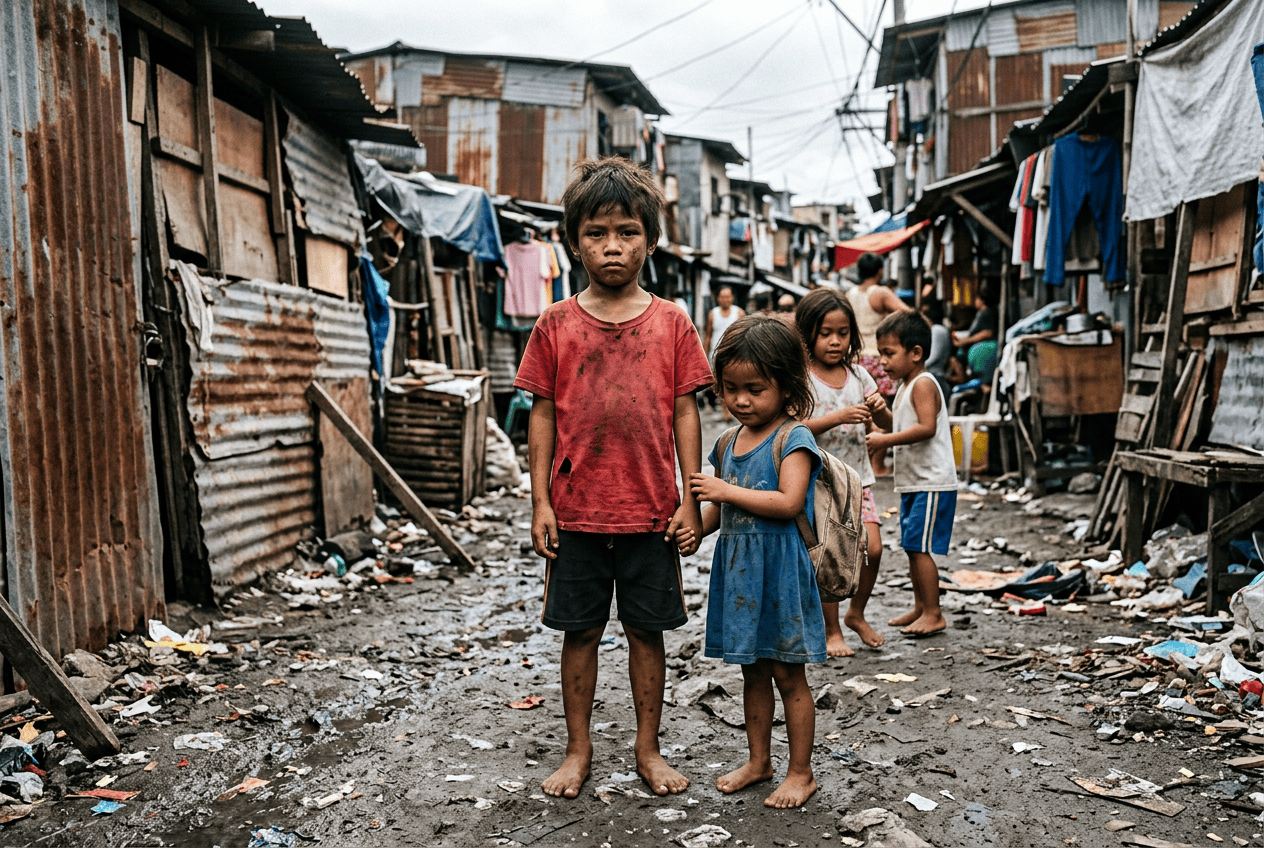
Effective children’s aid projects require more than good intentions—they demand careful planning, community engagement, and measurable outcomes that create lasting change. In the Philippines, where millions of children face poverty, malnutrition, and limited access to education, understanding how aid works on the ground reveals what separates transformative programs from well-meaning efforts. The Vision Help International Care Foundation implements comprehensive approaches that address immediate needs while building long-term resilience through residential child care, medical outreaches, educational support, and disaster relief operations grounded in decades of experience working directly with vulnerable communities.
What Makes Aid Projects Truly Effective
The difference between aid that makes headlines and aid that makes an impact often comes down to implementation. Effective projects share common characteristics—they respond to actual community needs, involve local stakeholders in planning, create sustainable systems, and measure outcomes rigorously to ensure resources produce real results.
The most successful initiatives recognize that poverty, malnutrition, education barriers, and health vulnerabilities don’t exist in isolation. A child suffering from malnutrition won’t benefit fully from educational support until nutritional needs are addressed. Medical interventions prove limited when families lack the economic means to maintain healthy practices after aid workers depart.
How Do Aid Organizations Ensure Their Programs Create Lasting Change?
Effective organizations build sustainability into every intervention. The Vision Help International Care Foundation doesn’t simply provide temporary shelter—they create stable residential environments where abandoned and orphaned children receive comprehensive care, education, and emotional support until they achieve independence. Their medical outreaches treat immediate conditions while providing education on preventive care and connecting families with ongoing health resources.
Foundation Principles of Effective Aid
Several core principles distinguish programs that create meaningful, lasting change from those that merely address symptoms temporarily.
Community Engagement and Local Ownership
The most effective charity programs in the Philippines recognize that sustainable change requires community buy-in from the start. External organizations can provide resources and expertise, but lasting transformation happens when communities take ownership of programs.
This means involving community members in assessing needs, planning interventions, and implementing programs. When families understand why certain practices improve outcomes, they become advocates. Local health workers trained through aid programs continue serving their communities long after external funding ends, multiplying impact far beyond initial investment.
Integrated Approaches to Complex Problems
Effective programs recognize interconnected challenges requiring coordinated responses. A child living in poverty in the Philippines typically faces multiple barriers simultaneously—inadequate nutrition, limited healthcare access, substandard education, and family economic stress. Addressing only one factor produces limited results.
Organizations providing help for children in the Philippines adopt integrated approaches that include:
- Residential care combining shelter, education, healthcare, nutrition, and life skills training
- Medical outreach programs pairing treatment with health education and preventive care
- Educational initiatives, including feeding programs, recognize that hungry children cannot learn effectively
- Family support services addressing economic pressures that drive child labor in the Philippines
Implementation Strategies That Work
Specific implementation strategies distinguish successful programs. These practical approaches, refined through years of field experience, help organizations translate good intentions into tangible results.
Direct Service Delivery Combined With Spiritual Counseling
Effective programs balance immediate service delivery with long-term spiritual counselling. When disaster strikes, emergency aid for children in the Philippines must address urgent needs for food, shelter, medical care, and safety.
Organizations providing donate to the Philippines opportunities ensure funds support both immediate needs and sustainable solutions.
Sectors Where Children’s Charity Creates Greatest Impact
Children’s aid projects work across multiple sectors, each requiring specialized knowledge and tailored approaches. Understanding how aid functions in key areas reveals the complexity of creating genuine change. The most successful programs coordinate interventions across health, education, and protection sectors to address children’s needs holistically.
Healthcare and Nutrition
Medical interventions create immediate and long-term impact when properly implemented. Free medical outreaches address urgent needs for families who cannot afford healthcare, treating illnesses, providing vaccinations, and performing minor surgeries. Organizations distribute essential medicines and nutritional supplements to children in need suffering from deficiencies.
The greatest impact comes from combining treatment with education. Teaching families about nutrition, hygiene, and disease prevention creates lasting behavior change.
Education and Child Development
Educational interventions range from building schools to training teachers and developing curricula. Programs addressing children in poverty recognize that educational barriers extend beyond infrastructure. Many families cannot afford school fees despite constitutional guarantees of free education. Children working to support families lack time for schooling.
Comprehensive educational programs combine direct support—scholarships, supplies, and feeding programs—with systemic improvements like teacher training. They address barriers keeping children from school while simultaneously improving education quality.
Protection and Family Strengthening
Residential care facilities provide safe environments for abandoned, orphaned, and abused children. These programs offer more than shelter—they create stable, nurturing environments where children receive education, healthcare, emotional support, and life skills training.
Family strengthening programs help prevent family breakdown by providing economic support, parenting education, counseling, and crisis intervention. Supporting struggling families prevents future need for residential care while keeping children in stable family environments.
Creating Sustainable Systems
The ultimate goal of Christian charity organizations and secular aid groups alike is creating systems that function independently of continued external support. This requires:
- Transitioning from direct service delivery to system strengthening
- Building local capacity through training
- Establishing partnerships with local governments for long-term support
Successful programs measure success not just by immediate results but by whether communities can sustain improvements after external support ends. Programs working with donations for children focus on building self-sufficiency rather than creating dependency.
The Vision Help International Care Foundation exemplifies this approach through programs designed for long-term impact. Their residential care facilities provide comprehensive support until young people achieve independence through graduating from school. Medical outreaches build relationships with communities and local health systems, creating pathways for sustained healthcare access. Educational initiatives strengthen entire school systems, benefiting current students and future generations.
Effective aid projects prove that with proper implementation, community engagement, integrated approaches, and commitment to sustainability, transformative change becomes possible throughout the Philippines.