

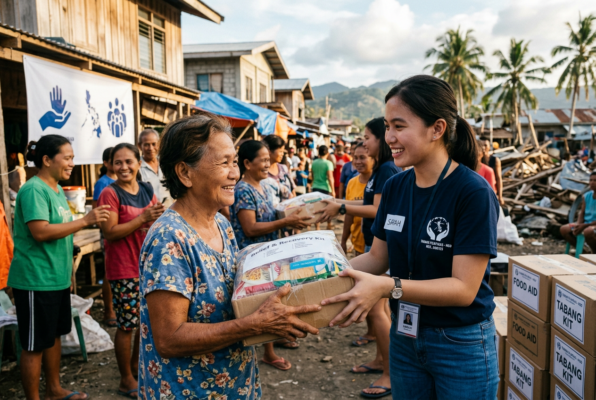
When you open your heart and wallet to support a cause, you deserve to know exactly where your money goes and what impact it creates. Many donors struggle with uncertainty about whether their contributions actually reach the people in need or get lost in administrative expenses. The Vision Help International Care Foundation addresses this concern head-on by maintaining clear financial reporting, low overhead costs, and regular updates that show donors the tangible results of their generosity in the lives of vulnerable children and families throughout the Philippines. By choosing transparent charities, you can be confident that your compassion translates into real, measurable change for those who need it most.
Understanding Charity Overhead Costs and Where Your Money Goes
In today’s world of countless charitable organizations, making an informed decision about where to donate can feel overwhelming. You want your hard-earned money to make a real difference, not disappear into a black hole of administrative costs or questionable practices. Understanding donation transparency isn’t just about being a savvy donor—it’s about ensuring your compassion translates into genuine help for those who need it most.
Charity overhead costs have become a hot topic in recent years, with many donors believing that lower is always better. However, this oversimplification can be misleading. Every organization needs some infrastructure to function effectively—staff salaries, office space, technology, and professional services all play essential roles in delivering quality programs. The key is finding the right balance.
Research shows that well-run organizations supporting children typically operate with overhead costs between 15% and 35%, though evaluating the best children’s charity requires looking beyond just these numbers. Organizations spending less than 15% might be understaffing critical positions or neglecting important investments in program quality and monitoring. Those exceeding 35% should be able to justify why their operational costs are higher—perhaps they’re conducting complex medical missions or operating in remote areas with challenging logistics.
What percentage of my donation actually reaches the people in need?
This is one of the most common questions donors ask, and rightfully so. The Vision Help International Care Foundation operates with remarkable efficiency, ensuring that the vast majority of contributions directly fund programs that serve children and families. The organization maintains detailed financial records and provides clear breakdowns of fund allocation.
Red Flags and Green Lights: Identifying Reputable Charities
When you’re considering donations for children, several warning signs should make you pause. Be cautious of organizations that refuse to provide detailed financial information, lack proper registration with government authorities, or use high-pressure tactics to secure donations. Similarly, charities that spend more on fundraising than on actual programs, or those that can’t provide specific examples of their work, deserve additional scrutiny.
On the flip side, transparent charities exhibit certain characteristics that build confidence. They willingly share annual reports, undergo independent audits, and maintain clear communication channels with donors. They provide concrete examples of their work through photos, stories, and measurable outcomes. Furthermore, they’re registered with appropriate government agencies and hold necessary certifications for operating in their field.
Key Questions to Ask Before You Donate
When evaluating any charity in the Philippines, knowing what questions to ask becomes your most powerful tool:
- How much of my donation goes directly to programs versus administrative costs?
- Can you provide audited financial statements from recent years?
- What specific outcomes has your organization achieved?
- How do you measure and report on program effectiveness?
- Are you registered with government oversight bodies?
The Power of Donation Effectiveness and Regular Reporting
Accountability depends heavily on an organization’s commitment to keeping donors informed. The best charities don’t just accept your money and disappear—they keep you informed about how your contribution is making a difference. This might include quarterly newsletters, annual reports with detailed financial breakdowns, or even personalized updates about specific projects you’ve supported.
Look for organizations that provide regular updates about their work on the ground. Do they share both successes and challenges? Can they demonstrate measurable improvements in the lives of the people they serve? Are they willing to answer questions and provide additional information when requested?
Understanding Administrative Transparency
Consider also whether the organization has mechanisms for feedback and complaints. How to donate properly involves choosing charities that welcome questions and criticism, viewing them as opportunities to improve rather than threats to avoid. Organizations committed to genuine transparency will eagerly explain their processes and invite your engagement.
Beyond the Numbers: Measuring Real Impact
While financial transparency is crucial, true accountability extends beyond spreadsheets and percentages. The most trustworthy organizations can articulate their theory of change—how their specific interventions lead to improved outcomes for beneficiaries. They collect data on program effectiveness and aren’t afraid to share both positive results and areas needing improvement.
For example, when supporting child aid in the Philippines, you should be able to learn not just how many children received meals or educational supplies, but also how these interventions improved health outcomes, school attendance rates, or long-term life prospects. Quality organizations track these metrics and share them with supporters.
The Importance of Local Knowledge and Long-Term Commitment
Organizations with deep roots in the communities they serve often demonstrate superior transparency and effectiveness. They understand local needs, have established relationships with community members, and can respond quickly when circumstances change. Their long-term presence allows for sustained impact rather than one-time interventions that may not address underlying issues.
Making Your Donation Work Harder
Understanding transparency principles empowers you to maximize your philanthropic impact. Research organizations thoroughly before making donations for children in need, using charity evaluation websites and government databases. Request and review financial statements and annual reports, asking specific questions about programs, outcomes, and financial management.
Start with smaller donations to test an organization’s communication and transparency. Consider multi-year commitments to organizations that prove their trustworthiness. Stay engaged by reading updates and attending events when possible. Your active participation strengthens accountability and helps ensure your generosity creates lasting change.
Your Role in Creating Positive Change
Remember that accountability is a two-way street. As a donor, you have both the right and the responsibility to ask questions, request information, and hold organizations accountable. Don’t feel embarrassed about being thorough—organizations committed to accountability welcome your diligence because they know it leads to stronger, more trusting partnerships, and this careful approach helps you identify reputable charities.
When you find an organization that meets these standards of openness and effectiveness, you’ve discovered something valuable: a trustworthy partner in your mission to make the world better. The Vision Help International Care Foundation exemplifies this commitment through its established presence in multiple locations across the Philippines, where staff members live and work alongside the communities they serve. Your financial support, combined with their expertise and dedication, creates a powerful force for positive change in the lives of those who need it most.