

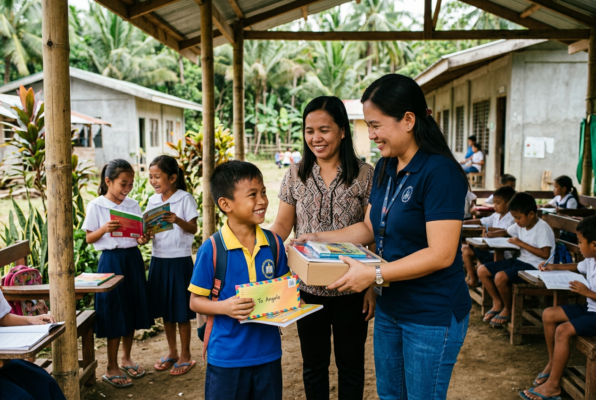
Understanding child sponsorship cost helps potential sponsors make informed decisions about committing to this life-changing relationship. Monthly contributions typically range from €30 – €350, depending on the organization and program model, with funds allocated across education, healthcare, nutrition, and community development. The Vision Help International Care Foundation provides transparent child sponsorship in the Philippines programs where sponsors understand exactly how their contributions transform lives, with comprehensive support delivered through residential care facilities, educational programs, medical outreaches, and family strengthening initiatives that create sustainable pathways out of poverty for vulnerable children and their communities.
Standard Monthly Sponsorship Rates
The child sponsorship cost varies by organization, but most programs fall within a predictable range. Understanding these standard rates helps sponsors budget appropriately and compare options.
Typical Cost Ranges
Most international organizations operating a residential child-care facility charge between €30 – €350 per month.
Is the Monthly Cost Really Affordable for Most Families?
Many organizations offer flexible payment schedules, including quarterly or annual options that help sponsors manage their budgets. The Vision Help International Care Foundation structures their programs to ensure accessibility while maximizing direct impact on children’s lives through comprehensive residential care and community development initiatives.
What Influences Pricing
Several factors affect pricing across organizations. Geographic location matters—remote areas requiring extensive travel increase operational expenses. Program comprehensiveness also impacts pricing. Organizations providing basic educational support charge less than those offering medical care, nutritional programs, life skills training, and family development services simultaneously.
Administrative efficiency significantly affects rates. Organizations utilizing volunteer coordinators and operating lean structures can charge lower fees while delivering quality services.
Payment Options and Schedules
Organizations provide multiple payment methods, ensuring accessibility for sponsors worldwide.
Payment Frequency Choices
Sponsors typically choose from several payment schedules:
- Monthly: Automatic deductions of the minimum monthly rate €30 above
- Quarterly: Payments every three months minimum of €90 above
- Semi-annual: Payments every six months €180 above
- Annual: Single yearly payment €300 above
Monthly automatic payments prove most popular, offering consistent, manageable contributions without requiring repeated action. Annual payments sometimes qualify for modest discounts.
How Do I Become a Child Sponsor?
Organizations accept credit and debit cards, enabling automatic recurring payments. Bank transfers or ACH debits allow direct withdrawal from accounts. Traditional checks or money orders remain options, though they require more effort for recurring commitments.
Most organizations strongly encourage automatic recurring payments through credit cards or bank transfers. These methods ensure consistent support, reaching children without interruption.
Tax Deductibility Benefits
Sponsors in the United States and other countries benefit from tax advantages. Organizations operating as 501(c)(3) nonprofits provide tax-deductible donation receipts. Sponsors receive annual statements documenting total contributions for tax filing purposes.
Tax deductibility effectively reduces actual sponsorship cost. A sponsor contributing €40 monthly (€480 annually) in the 22 percent tax bracket saves approximately €105.60 in taxes, bringing their effective cost to roughly €31 monthly.
Where Your Donations for Children Actually Go
Understanding how organizations allocate sponsorship funds demonstrates accountability and helps sponsors appreciate their contribution’s impact.
Direct Program Services
In 2025, Vision Help allocated 83% of contributions and 17% on administrative costs.
Direct program services include:
- Educational support: school fees, uniforms, supplies, textbooks, transportation, tutoring, scholarships
- Healthcare services: medical checkups, vaccinations, treatment, dental care, nutritional supplements
- Feeding programs: meals and nutritional education addressing malnutrition
- Life skills development: mentorship programs, vocational training, youth discipleship opportunities
- Infrastructure improvements: school construction, water systems,
Administrative and Operational Costs
Legitimate administrative expenses enable program delivery. These include staff salaries for local coordinators monitoring children, processing communications, and ensuring funds reach intended beneficiaries. Monitoring systems track children’s progress and measure program effectiveness.
Communication expenses cover correspondence between sponsors and children, progress reports, and photography. Banking and transfer fees represent unavoidable costs when moving funds internationally. Reputable organizations minimize these expenses while maintaining quality operations.
Additional Costs Beyond Monthly Sponsorship
While monthly contributions form the core commitment, sponsors should understand potential additional expenses.
Optional Gift Giving
Many sponsors want to send birthday or holiday gifts to their sponsored children. Organizations typically facilitate this, though sponsors bear additional costs. Shipping expenses for international packages can be substantial.
Organizations generally recommend focusing on monthly sponsorship rather than sending physical gifts. Letters and photographs provide meaningful connection without additional costs.
Visiting Your Sponsored Child
Sponsors choosing to visit their sponsored children in person incur travel expenses—flights, accommodations, transportation, and meals. Vision Help charges sponsors who visit their sponsored children in person at the Village of Hope. Food and accommodation costs are calculated based on the length of their stay.
For a detailed breakdown of food and lodging, please visit the following link: https://vhicf.org/partner-with-us/be-a-volunteer/
While visiting creates powerful personal connections, it represents a significant expense. Sponsors should weigh whether funds spent on travel might create greater impact if contributed as additional support benefiting more children in need.
Understanding Value and Impact
Assessing cost requires looking beyond monthly amounts to understand actual impact created.
Cost Effectiveness of Sponsorship
Sponsorship represents highly cost-effective giving. For €30-€350 monthly, sponsors provide comprehensive support—education, healthcare, nutrition, and life skills development—that would cost significantly more if purchased individually.
Organizations working in the Philippines benefit from lower local costs. Monthly sponsorship amounts purchase substantially more goods and services locally than equivalent amounts would buy in developed nations. This purchasing power differential means contributions create a disproportionately large impact.
Comparing Value Across Organizations
Best child sponsorship organization programs demonstrate strong value through transparent reporting, high program expense ratios, measurable outcomes, and sustainable development approaches. Sponsors should evaluate organizations based on how effectively they convert contributions into actual child benefit through their donate to the Philippines programs.
When considering Christian child sponsorship options, potential sponsors should examine not only monthly costs but also what comprehensive services those contributions provide. Organizations offering help for children in the Philippines demonstrate accountability through clear financial reporting, regular impact assessments, and transparent communication about both successes and challenges.
The Vision Help International Care Foundation exemplifies value-driven sponsorship through comprehensive residential care programs providing education, healthcare, nutrition, emotional support, and life skills training until children achieve independence. Their integrated approach ensures sponsorship euros create maximum sustainable impact, transforming vulnerable children into self-sufficient adults capable of breaking poverty cycles and building prosperous futures throughout the Philippines.