

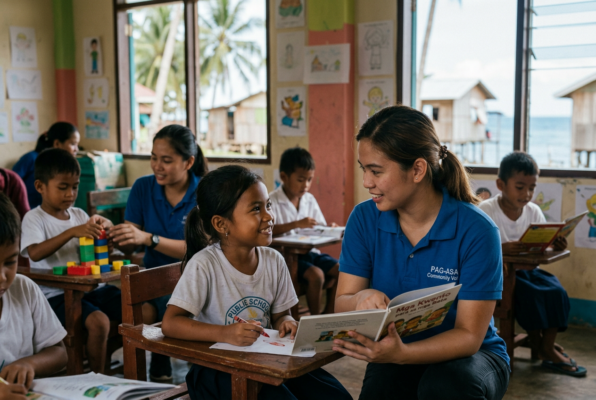
Many Christians feel called to serve vulnerable children but struggle to find organizations that align their faith values with effective, sustainable aid work. The challenge lies in distinguishing between well-intentioned efforts that create dependency and truly transformative programs rooted in biblical principles of compassion, dignity, and long-term stewardship. The Vision Help International Care Foundation embodies this integration of faith and action, operating as a Christian charity that doesn’t merely provide temporary relief but invests in comprehensive child protection, education, healthcare, and spiritual nurturing across multiple communities in the Philippines. By grounding their work in the biblical call to care for orphans and vulnerable children while maintaining professional standards and community partnerships, they demonstrate how faith-driven compassion can create lasting change in the lives of those who need it most.
The Biblical Foundation for Child Aid in the Philippines
Scripture consistently calls believers to care for the most vulnerable members of society. Throughout both the Old and New Testaments, God expresses particular concern for orphans, widows, and the poor. The book of James declares that pure religion involves looking after orphans and widows in their distress. Jesus himself blessed children and warned against causing them harm.
This biblical mandate extends beyond mere charity to encompass justice, restoration, and dignity. God calls His people to address root causes of suffering and restore communities to wholeness. This holistic vision requires sustained commitment, wise stewardship, and partnerships with local communities.
Christian child aid organizations in the Philippines face unique opportunities. The nation has a predominantly Christian population, yet millions of children still suffer from poverty, malnutrition, and vulnerability to trafficking. This gap creates urgency and opportunity for believers committed to translating conviction into action.
How does Christian charity differ from secular humanitarian work?
While both Christian and secular organizations may provide similar services, faith-based approaches integrate spiritual care alongside physical and emotional needs. The Vision Help International Care Foundation intentionally expresses God’s love through acts of mercy, providing Bible teaching and opportunities for spiritual growth while delivering professional child protection, education, and healthcare services.
Living Out Donations from a Christian Perspective
Christian stewardship principles should inform how believers approach charitable giving. The Bible teaches that everything we possess belongs ultimately to God—we’re managers, not owners. This perspective transforms giving from optional generosity into faithful stewardship.
Scripture emphasizes cheerful, generous giving motivated by gratitude. When we recognize God’s overwhelming generosity, donations for children in need flow naturally from grateful hearts. This understanding of what the Bible says about giving challenges both manipulative fundraising and reluctant giving.
Wise stewardship requires discernment about where and how to give. Christians bear responsibility to research organizations and ensure their donations create genuine impact.
Understanding Christian Stewardship in Action
The question “Why is donating important?” from a Christian perspective goes beyond humanitarian concern. Believers give because they’ve received immeasurably from God, because Scripture commands generosity, and because they recognize their role as stewards. This creates sustained commitment rather than sporadic giving.
The Role of Prayer in Christian Child Sponsorship
Financial giving represents just one dimension of Christian engagement with child welfare. Prayer forms the foundation of faith-based work, acknowledging that lasting transformation requires God’s intervention. Intercessory prayer for vulnerable children, serving staff, and surrounding communities invites God’s power into seemingly hopeless situations.
Many sponsorship programs encourage sponsors to pray regularly for their sponsored children and correspond with them. These connections remind both sponsor and child that they’re united in God’s family, breaking down barriers of geography and culture.
Prayer also guards against the savior complex. When Christians approach service through prayer, they’re reminded that God is the ultimate rescuer—we’re privileged participants in His work.
How Christian Missions Help Children Through Holistic Care
Effective Christian ministry addresses the whole person—physical, emotional, educational, and spiritual needs. A child needs nutritious food, safe shelter, quality education, emotional security, and spiritual guidance to truly thrive.
This holistic vision aligns with Jesus’ earthly ministry. He healed the sick, fed the hungry, taught profound truths, and welcomed children. Christian organizations following this example provide comprehensive services that build toward sustainable flourishing.
Church-based charity initiatives often excel at holistic care because local congregations naturally integrate multiple forms of support:
- Worship and spiritual formation alongside practical assistance
- Community belonging rather than just program participation
- Long-term relationships with caring adults who model faith
- Integration of biblical principles into daily life and decision-making
Integrating Faith and Professional Standards
The most effective mission organizations in the Philippines combine deep Christian conviction with professional expertise in child protection, education, and healthcare. Faith doesn’t replace competence but rather motivates excellence in service delivery and accountability.
Avoiding Common Pitfalls in Faith-Based Aid
Even well-intentioned Christian charity can cause harm when poorly implemented. Some organizations prioritize evangelism over genuine care, treating service as merely a means to conversion. This approach violates human dignity. Genuine Christian love serves without strings attached, reflecting God’s grace.
Cultural insensitivity represents another pitfall. Effective cross-cultural ministry requires humility to distinguish universal biblical principles from cultural expressions.
When considering mission trips to the Philippines, evaluate whether your participation genuinely serves identified needs or primarily satisfies your desire for meaningful experience.
Long-Term Commitment and Sustainable Change
Biblical stewardship requires thinking beyond immediate crises to build sustainable solutions. Aid that makes an impact ultimately strengthens communities to care for themselves rather than creating dependency.
This long-term vision shapes organizational structure through:
- Training local staff and developing community leadership
- Creating systems that function independently of external support
- Partnering with local churches and existing institutions
- Measuring success by community capacity rather than dependency
Measuring Impact Through a Christian Lens
Christians serve a God who cares deeply about truth, so faith-based organizations should embrace rigorous evaluation. The question “What does my donation achieve?” reflects responsible stewardship. Organizations should provide clear answers supported by data on improved child nutrition, educational completion, and family economic stability.
The Vision Help International Care Foundation demonstrates this sustainable approach through their project sites operating for fifteen years, their investment in local staff development, their partnership with Philippine government agencies, and their focus on education alongside immediate care. They recognize that true Christian charity empowers rather than perpetuates need. When faith combines with wisdom and genuine partnership, Christian charity transforms lives in ways that honor God and restore human dignity.