

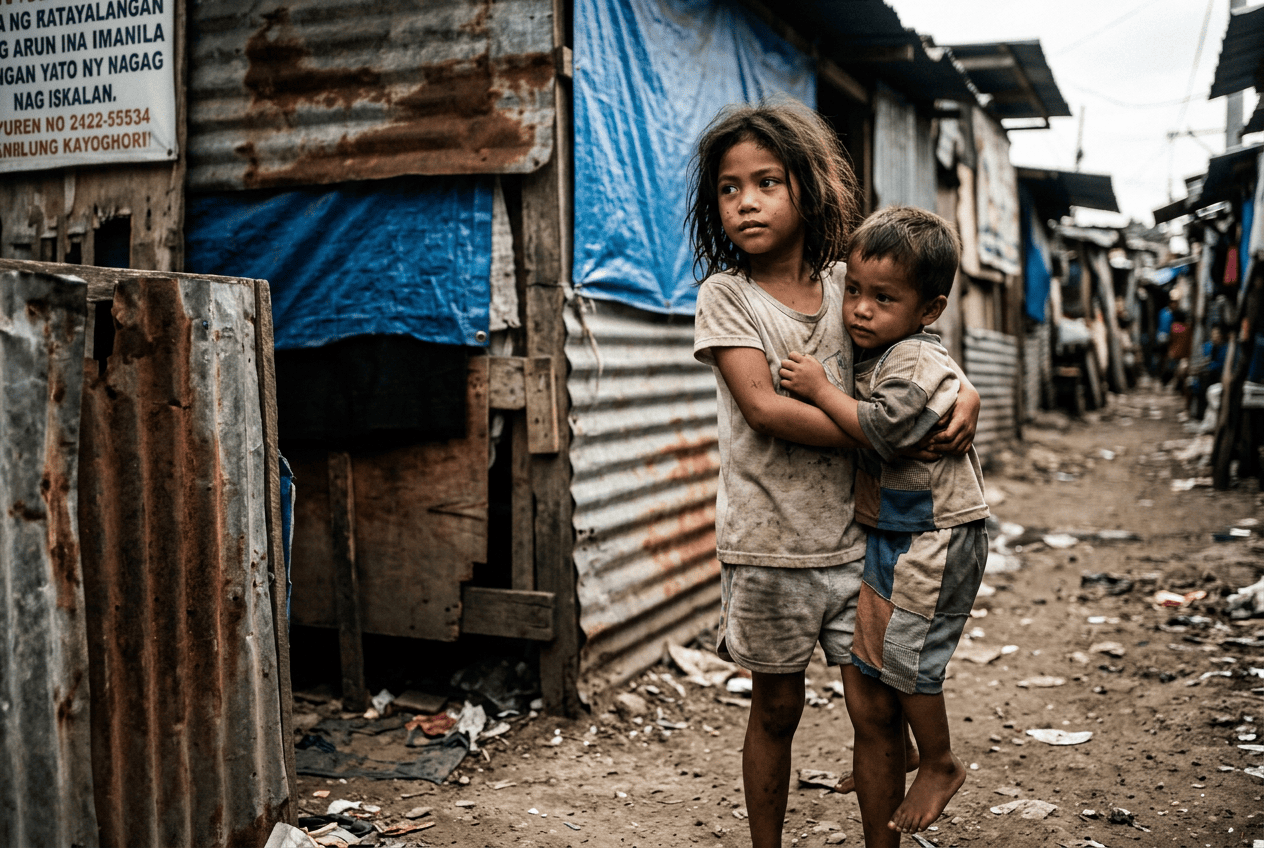
Choosing where to direct your charitable giving can feel like navigating a maze, especially when you’re unsure whether an organization will use your contribution responsibly and effectively. Many donors worry about hidden administrative costs, vague reporting, or money that never reaches the intended beneficiaries. The Vision Help International Care Foundation exemplifies what genuine, transparent charities look like in practice—they provide detailed financial reports, maintain open communication with supporters, share both successes and challenges, and demonstrate measurable impact in the lives of vulnerable children across the Philippines. By understanding the key signs of organizational transparency, you can confidently support causes that align with your values while ensuring your generosity creates real, lasting change in the communities that need it most.
Understanding What Transparency Really Means
Transparency in charitable organizations goes far beyond simply publishing an annual report or displaying a logo on a website. It represents a comprehensive commitment to openness, honesty, and accountability that permeates every aspect of operations. True transparency means donors can easily access information about finances, programs, leadership, and impact without encountering resistance. When organizations embrace transparency as a core value rather than a compliance obligation, they build trust that transforms one-time givers into long-term partners invested in the mission’s success. Understanding these key indicators helps you identify reputable charities that deserve your support.
1. Clear and Accessible Financial Statements
The foundation of organizational accountability lies in financial openness. Organizations committed to transparency make their financial statements readily available on their websites without requiring special requests. These statements should include detailed breakdowns of revenue sources, program expenses, administrative costs, and fundraising expenditures.
Look for organizations that undergo annual independent audits conducted by reputable accounting firms. These audits provide external validation that financial records accurately reflect activities. The audit results should be publicly available, ideally within six months of the fiscal year’s end.
Understanding Charity Overhead Costs
Beyond raw numbers, responsible organizations explain their financial decisions in language that non-accountants can understand. They provide context about why certain expenditures were necessary and how they contribute to mission fulfillment. You want to see not just percentages but explanations of what costs support and why they’re essential for delivering quality programs. The Vision Help International Care Foundation maintains this standard by providing clear financial documentation that shows how donations are allocated across their programs.
2. Detailed Program Information and Impact Metrics
Trustworthy organizations don’t just tell you what they do—they show you the results. They provide specific information about their programs, including objectives, methodologies, target populations, and measurable outcomes. Rather than vague statements, they offer concrete data about services provided and improvements that occurred.
When considering donations for children or any cause, ask whether the organization tracks meaningful metrics beyond simple activity counts. Organizations practicing genuine transparency measure and report deeper outcomes, even when results aren’t entirely positive. This helps you understand what your donation achieves in concrete terms.
The Vision Help International Care Foundation demonstrates this commitment through regular updates showing specific program outcomes—graduation rates from educational programs, health improvements in malnourished children, successful family reunifications, and skills acquired through vocational training. They don’t just count activities; they measure transformation.
3. Honest Communication About Challenges
Perhaps the most telling sign of transparency is how an organization discusses setbacks. Every nonprofit faces obstacles—programs that don’t achieve expected results, unexpected crises, and funding shortfalls. Organizations with nothing to hide acknowledge these realities openly rather than presenting an artificially perfect picture.
When you’re learning how to donate properly, pay attention to whether organizations discuss only successes or also share lessons learned from difficulties. Honest organizations explain what went wrong, what they learned, and how they’re adjusting. This vulnerability builds trust because it demonstrates integrity and commitment to continuous improvement.
4. Accessible Leadership and Governance Information
Transparent organizations provide clear information about their leadership structure, board composition, and governance policies. You should easily find:
- Names and backgrounds of board members and key staff
- Board meeting frequency and governance procedures
- Conflict of interest policies and ethical guidelines
- Executive compensation ranges
- Procedures for handling complaints or concerns
Organizations with nothing to hide welcome questions about governance and willingly explain their decision-making processes. This openness is essential when you’re deciding how much you should donate to any organization. When leadership information is difficult to find, consider it a warning sign before making significant contributions.
5. Regular and Substantive Donor Communication
Frequency and quality of communication reveal much about an organization’s commitment to transparency. Organizations that value donor relationships provide regular updates through multiple channels—newsletters, annual reports, website updates, social media, and personalized communications for significant supporters.
These communications should go beyond fundraising appeals to include program updates, financial summaries, stories illustrating impact, and invitations for deeper engagement. When you’re considering which charity is the best match for your giving, evaluate whether the organization treats you as a partner or simply as a funding source.
Building Trust Through Open Dialogue
Pay attention to whether communications acknowledge donor questions. Do they provide ways to contact staff directly? Do they respond promptly when you reach out? Organizations genuinely committed to transparency view donor inquiries as opportunities to strengthen relationships rather than burdens to minimize.
6. Third-Party Verification and Charity Ratings
While self-reporting is important, external validation provides additional assurance about an organization’s transparency and effectiveness. Look for organizations that pursue voluntary accreditation from recognized charity evaluators and maintain registrations with appropriate government agencies.
In the Philippine context, organizations should be registered with the Department of Social Welfare and Development (DSWD) and the Securities and Exchange Commission. The Vision Help International Care Foundation maintains these registrations and was awarded by the DSWD as the best non-profit organization in their region in 2021, demonstrating their commitment to operational excellence. Understanding how much of donations reach beneficiaries becomes clearer when independent evaluators verify organizational claims.
Third-party evaluations help you assess financial health, accountability, and transparency through independent verification. While some excellent small organizations may not have pursued formal accreditation due to resource constraints, these verifications demonstrate commitment to meeting recognized standards.
7. Openness About Partnerships and Affiliations
Trustworthy organizations clearly disclose their partnerships, funding sources, and organizational affiliations. This transparency helps donors understand potential conflicts of interest, dependencies on particular funding streams, or commitments that might influence program decisions.
When evaluating a charity in the Philippines or any international organization, you want to know about local partnerships, government relationships, and connections with other nonprofits. These partnerships often strengthen effectiveness by leveraging local expertise and resources. The Vision Help International Care Foundation openly displays their partnerships with organizations like Nehemiah Christliches Hilfswerk, various international NGOs, and Philippine government agencies.
Organizations should be transparent about funding sources—individual donations for children in need, foundation grants, government contracts, or corporate sponsorships. This information helps you understand financial stability and independence. The question of what happens to my donation should have clear, documented answers. When you find organizations that embrace transparency comprehensively, you’ve discovered partners that will help through donations effectively and honor the trust you place in them to steward your donated money for children’s resources responsibly.